About

Whether you operate a single work truck or manage multiple commercial vehicles across job sites and service areas, your business depends on staying mobile every day.
Unexpected accidents, vehicle downtime, liability situations, or damaged equipment can interrupt schedules, affect employees, delay projects, and impact customer service.
Commercial auto insurance helps businesses prepare for unexpected situations while helping support smoother day-to-day operations.
Business vehicles often face greater exposure to daily mileage, busy roads, work environments, and operational risks compared to personal vehicles. That’s why many businesses choose commercial auto insurance designed specifically around business-related driving and operations.

Minimum bodily injury liability
Higher thresholds for business-use vehicles
Separate financial responsibility standards
Vehicles over certain weight classes
Additional filing requirements may apply
Additional filing requirements may apply
Cross-border operation
Vehicles regularly crossing state lines should meet both states' standards
Same
If your trucks, vans, or fleet vehicles cross between the two states regularly, it's worth confirming your policy meets both sets of requirements rather than just the state where the business is registered. Pairing this with general liability coverage also helps close gaps that a commercial auto policy alone doesn't cover.


Typical use
Hauling equipment, materials, trailers
Deliveries, mobile service calls, cargo runs
Weight considerations
Often heavier, may trigger added filing requirements
Usually lighter, fewer weight-based rules
Cargo exposure
Tools, materials, towed equipment
Packages, inventory, service equipment
Common add-ons
Trailer interchange, equipment coverage
Cargo coverage, tool/equipment riders
A single-vehicle service business and a multi-truck contractor won't need identical protection, and that's normal. Commercial vehicle insurance is built around how the vehicle is actually used — not just its size or type. If your operation also stores tools or inventory in company vehicles, it's worth discussing Inland Marine coverage or commercial property coverage so equipment isn't left exposed between job sites.
Coverage
What Happens When a Business Vehicle Is Involved in an Accident?

Customer Delays

Missed appointments and transportation issues can affect customer relationships and operations.


How Coverage Amounts Are Determined for Your Fleet
There's no single price tag for commercial vehicle insurance — coverage is built around a handful of specific factors:
Vehicle type and weight class — a box truck and a cargo van carry different risk profile
Number of drivers and their records — more drivers or higher-risk records can shift pricing
Annual mileage and routes — vehicles running longer routes across Oregon and Washington may need broader coverage
Cargo or equipment value — tools, inventory, or materials carried regularly should be reflected in the policy
Business operations — a delivery route and a construction crew face different exposures even in similar vehicles
Reviewing these factors with an agent before quoting helps avoid being underinsured on commercial truck insurance or overpaying coverage you don't need. Businesses that also employ drivers should confirm their workers' compensation coverage lines up with how those employees use company vehicles day to day.

The Difference that matters
Personal Auto vs Commercial Auto Coverage
Personal Auto Insurance
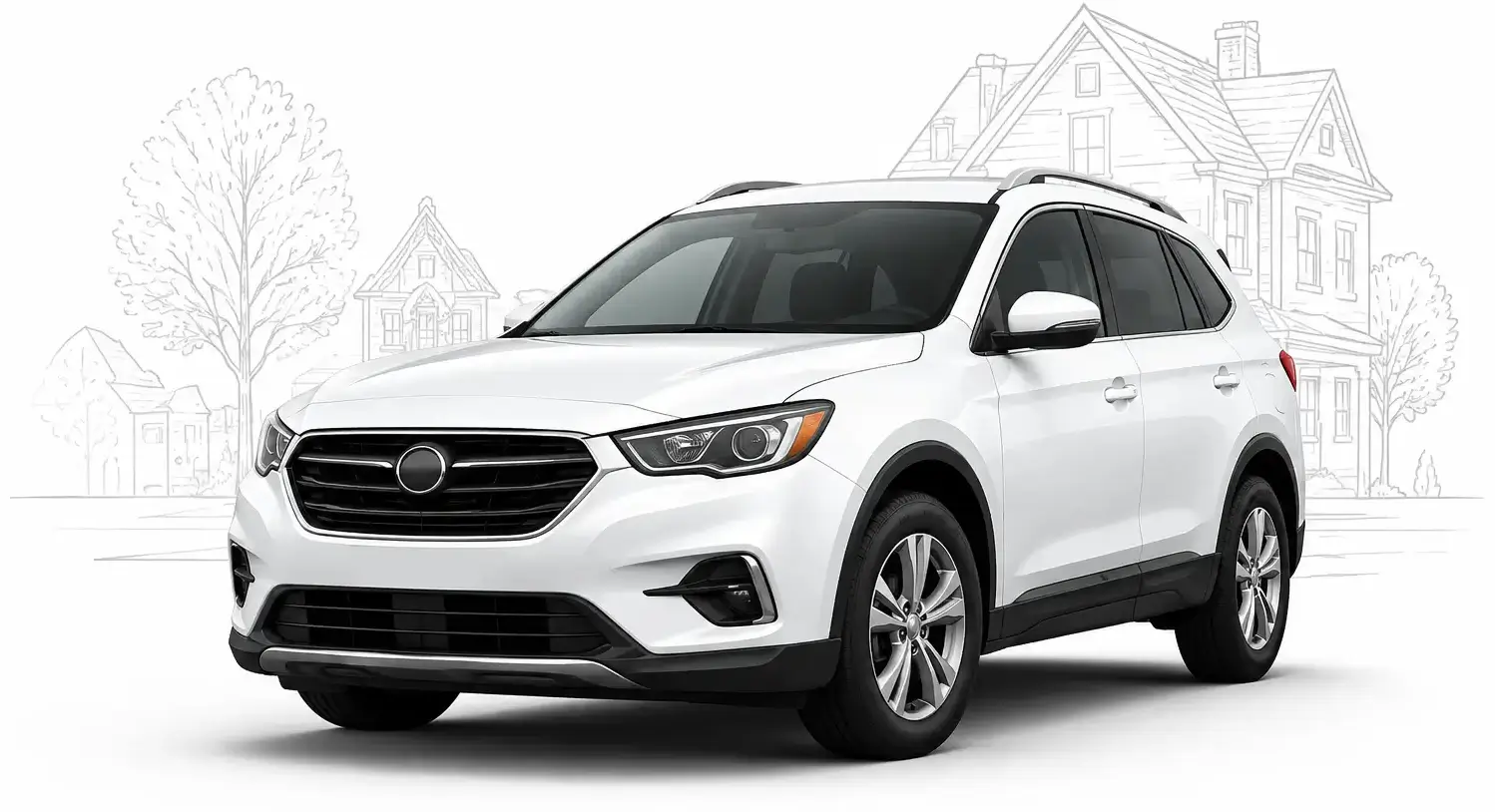
Designed primarily for everyday personal driving and family transportation needs.
Commercial Auto Insurance

Designed around work-related driving, employee-operated vehicles, deliveries, equipment transportation, and business liability risks.
Many personal auto policies may not fully cover vehicles being used for business-related operations.
Costly Mistakes Businesses Make When Insuring Company Vehicles
You will want to avoid typical mistakes when considering commercial auto insurance in Oregon & Washington. A few of the most common:
Getting commercial truck insurance and commercial van insurance structured correctly from the start is far less costly than fixing a denied claim after the fact. If your business carries a general liability or BOP policy, it's worth having both reviewed together — see how they work alongside BOP insurance for broader protection.